...

Home › Rodent Control › Attic Rodent Control

Atlanta, GA · Rodent control

Attic Rodent Control in Atlanta, GA

Scratching overhead at night, droppings near stored boxes or a chewed wire in the attic? Pest Control Atlanta inspects the attic and the roofline, finds how rats and mice are getting in, removes the active rodents and seals the openings so they stay out.
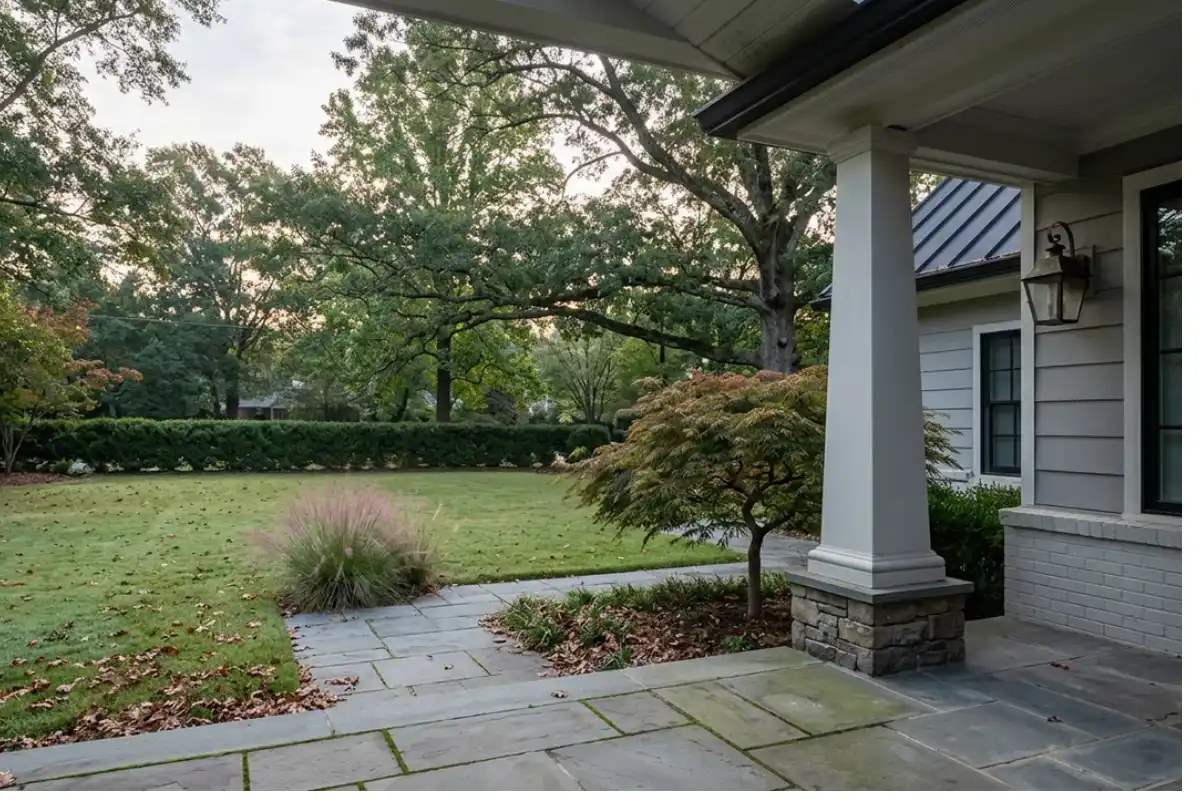
Suburban home with landscaped front yard

Serving Atlanta, every Fulton County city and Brookhaven.

What you get with Pest Control Atlanta

  • Backed by the PCA Promise
  • Available 24/7
  • 25+ bugs treated
  • Highly rated by Atlanta homeowners
  • Personalized Plans

Why rodents move into attics in fall and winter

When nights turn cool, rats and mice look for warm shelter, and an attic gives them warmth, quiet and stored items to nest in. University of Georgia Extension puts it plainly: “Mice and rats really like to move into warm houses for the winter, so fall is a time when many houses get infested.” (UGA IPM, 2025)

UGA also notes that rodent nests are often “made of chewed paper or cloth” (UGA IPM). Boxes of paper, old clothing and holiday storage in the attic are the materials they look for. Once one or two get in, the attic can become a long-term nesting site unless the entry points are closed.

Not sure whether the attic is the problem or the walls? Our guide to what is in my attic explains how the sounds and timing of rats, squirrels, raccoons and bats differ.

Signs you have rodents in the attic

What to look and listen for before you call.

Rat or mouse? Compare them
  • Sounds at night

    UGA Extension advises listening “for gnawing or scratching in the walls or attics, especially at night.” (UGA IPM)

  • Droppings

    “Mouse droppings are about the size of rice grains; rat droppings are about the size of raisins.” (UGA IPM)

  • Gnaw marks and nesting

    Chewed edges on boxes, wood trim and wiring insulation, and shredded paper or cloth pulled into a hidden corner.

  • Travel paths

    Droppings or rub marks along rafters, near vents and where pipes or wires pass through. Rats heard overhead are often roof rats; see our roof rat guide.

How rats and mice get into the attic

According to UGA Extension, “Mice and rats can enter your house through openings as small as a dime.” (UGA IPM) During an attic inspection we check:

  • Roof returns
  • Soffits and fascia
  • Attic and gable vents
  • Pipe chases
  • Cable and HVAC lines
  • Tree limbs and wires

UGA recommends sealing cracks “around pipes and utilities where mice can squeeze their ways indoors” (UGA CAES) and cautions that “Rats and mice can chew through steel wool” (UGA IPM, 2019), so the sealing material matters as much as finding the gap.

Call (404) 647-6677
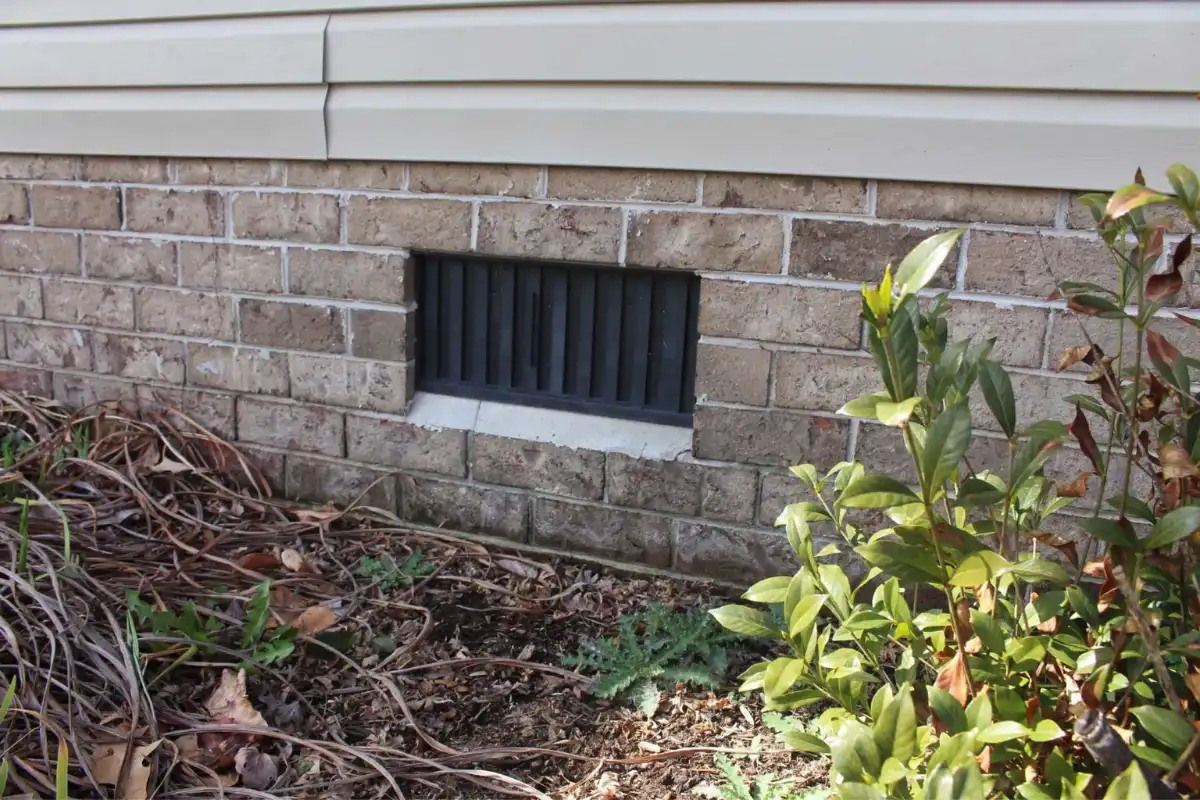
Brick foundation wall with a crawl space vent and landscaping

What Pest Control Atlanta does in your attic

Four steps, from finding the rodents to keeping them out.

  1. Inspect

    We look at the attic and the outside of the house to find active areas, nesting sites and every entry point, and identify whether you have rats or mice.

  2. Trap

    UGA Extension recommends “using traps, not poison baits,” and placing traps “in rooms, attics, basements and garages” (UGA Today). We place traps along the paths the rodents use and check them on follow-up visits.

  3. Seal

    Once activity is under control, the openings are closed. For full entry-point audits and professional sealing, see our rodent exclusion service.

  4. Clean up

    We remove trapped rodents and point out areas that need cleaning, following CDC guidance.

Rats and mice need different trap placement and sealing priorities. See our rat control and mice control pages for details on each.

Cleaning up safely after attic rodents

Droppings and urine in an attic should not be swept or vacuumed. CDC guidance: “Don’t vacuum or sweep rodent urine, droppings, or nesting materials.” Instead, “Spray urine and droppings with bleach solution or an EPA-registered disinfectant until very wet.” CDC’s bleach solution: “Combine 1.5 cups of household bleach in 1 gallon of water.” (CDC)

The reason, per CDC: “Diseases are mainly spread to people from rodents when they breathe in contaminated air.” (CDC)

For the full CDC step-by-step, see how to clean up rodent droppings safely.

If you notice a strong odor after activity stops, a rodent may have died in the attic or a wall. See Dead Animal Removal in Atlanta, GA.

Attic rodent control questions

How long does attic rodent control take?

It depends on how many rodents are active and how many entry points need sealing. Your technician will explain what to expect after the inspection, and follow-up visits check that activity has stopped before the job is complete.

Do I need to leave my home during treatment?

Attic work is mostly trapping and sealing rather than spraying living areas. If any part of the work requires people or pets to stay out of an area, your technician will tell you beforehand.

What if rodents come back after treatment?

If rodents return between scheduled visits, we re-treat at no additional charge. New gaps can open over time, so follow-up visits include a check of the roofline. Some people search for an exterminator in Atlanta when this happens — we provide full pest control services, including rodent control in Atlanta.

Areas we serve

Attic rodent control is available across Atlanta, every Fulton County city and Brookhaven.

See all service areas

Hearing something in the attic?

Tell us what you are hearing and when. We will inspect the attic and the roofline and explain what we find.

Call Pest Control Atlanta (404) 647-6677
Call (404) 647-6677
Seraphinite AcceleratorOptimized by Seraphinite Accelerator
Turns on site high speed to be attractive for people and search engines.