
Home › Rodent Control › How Rats and Mice Get Into Houses
Atlanta, GA · Rodent control
How Rats and Mice Get Into Houses
Rats and mice rarely break in — they find a gap that is already there. Here is where those gaps are on a typical Atlanta home, what a used entry point looks like, and when sealing is a job for a professional.
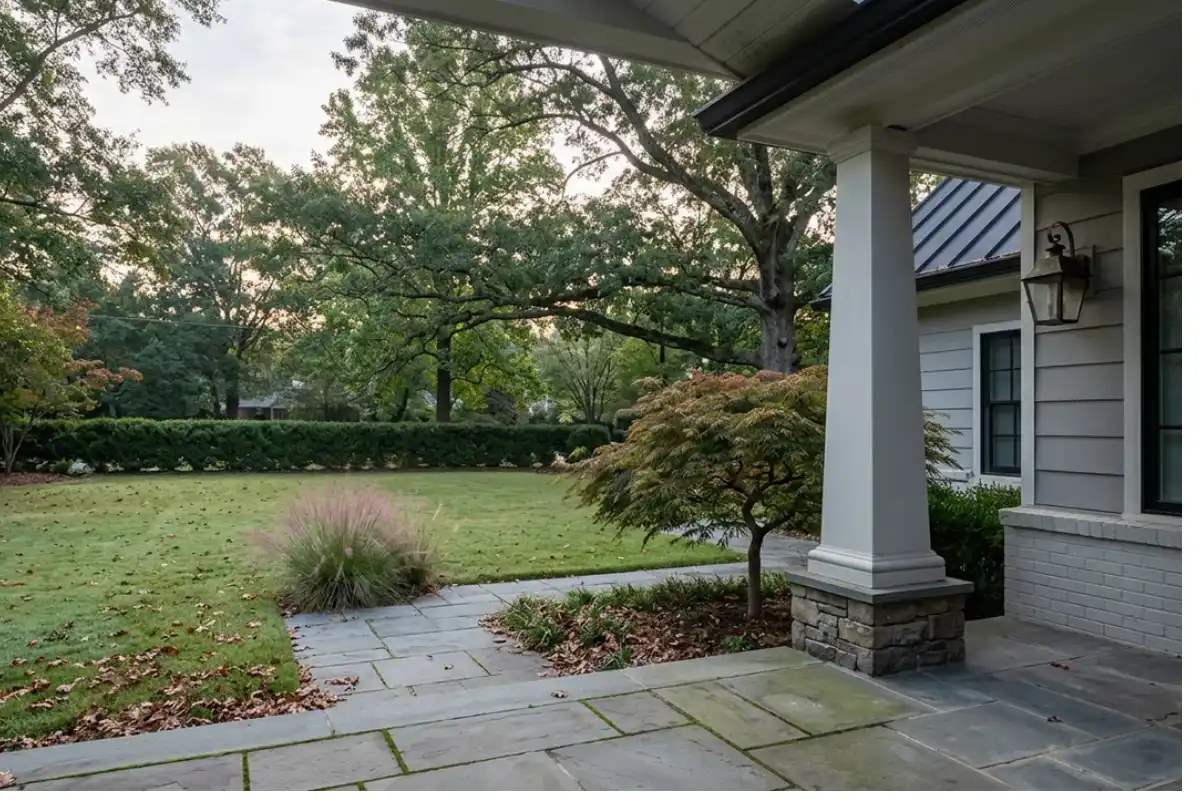
Serving Atlanta, every Fulton County city and Brookhaven.
What you get with Pest Control Atlanta
- Backed by the PCA Promise
- Available 24/7
- 25+ bugs treated
- Highly rated by Atlanta homeowners
- Personalized Plans
The entry point problem
UGA Extension: “Mice and rats can enter your house through openings as small as a dime.” That is why “Closing their entry holes is one of the most effective ways to prevent mice and rats from becoming a pest in your home.” (UGA IPM, 2025)
Small gaps matter because rodents do not need to make a new hole. A UGA Extension agent put it simply: “It only takes a small crack or an open door to get an uninvited house guest.” (UGA CAES)
The pressure rises in fall and winter. “Mice and rats really like to move into warm houses for the winter, so fall is a time when many houses get infested.” (UGA IPM, 2025) UGA Today adds: “During the winter months when people spend more time indoors, so do rodents.” (UGA Today)
Entry points around your home
Where each one is, why rodents use it, and what to look for.
Foundation cracks and gaps
Where: Along the base of exterior walls, where the foundation meets the siding, and around slab edges.
Why: UGA lists rats and mice among the critters that “get inside through cracks and gaps in the foundation of homes during winter months – looking for warmth and food” (UGA IPM, 2019).
What it looks like: A crack or gap at ground level, sometimes with gnawed edges. UGA notes: “A little hole with chewed edges is a sure sign of rodent occupancy.” (UGA IPM, 2025)Pipes, wires and utility lines
Where: Where gas, water and hose lines, air conditioning drain lines and phone, cable or TV wires pass through a wall.
Why: UGA advises: “Cement or caulk around pipes (gas, water, hose, air conditioning drains) and wires (phone, cable, TV).” (UGA IPM, 2025) Another UGA agent recommends you “Apply caulk to seal cracks around pipes and utilities where mice can squeeze their ways indoors.” (UGA CAES)
What it looks like: Open space around a line where it enters the house, or old sealant that is cracked, missing or chewed.Vents
Where: Attic vents, crawl space vents and the clothes dryer vent.
Why: UGA’s advice is to “Plug holes and screen vents” (UGA IPM, 2019). For dryer vents: “Cover clothes dryer vents (be careful to allow adequate airflow)” (UGA IPM, 2025).
What it looks like: A torn, bent or missing vent screen, or a dryer vent flap that no longer closes.Garage, patio and exterior doors
Where: The bottom of garage doors, patio doors and entry doors.
Why: UGA: “Keep patio and garage doors closed. Seal the openings under doors.” (UGA IPM, 2025) The CAES advice is the same: “Make sure doors seal tightly” (UGA CAES).
What it looks like: Daylight under a closed door, a worn or torn door sweep, or droppings along the inside garage wall.Windows and screens
Where: Windows, especially basement and garage windows.
Why: UGA recommends you “Cover windows with screens. Mesh hardware wire (1/4 in. squares) will keep mice and rats outside.” (UGA IPM, 2025)
What it looks like: Torn screens, or gaps where the screen no longer meets the frame.Climbing routes for roof rats
Where: Branches, vines and lines that touch or hang over the roof.
Why: UGA notes that “Roof rats are good climbers” (UGA IPM, 2025). On inspections we check whether anything gives them a path up to the roof and into the attic. See our roof rat guide.
What it looks like: Signs in the attic rather than at ground level. UGA advises listening “for gnawing or scratching in the walls or attics, especially at night.” (UGA IPM, 2025)
Norway rats vs roof rats: different ways in
“Three species like to live indoors, and all three can be found in Georgia”: the house mouse, the Norway rat and the roof rat (UGA CAES). The two rats tend to get in from different directions.
| Feature | Norway rat | Roof rat |
|---|---|---|
| Climbing | “Generally, they do not climb.” | “Roof rats are good climbers.” |
| Where they get in | Ground level: foundation gaps, doors, pipes | Higher up: rooflines and the attic |
| What to look for | Burrows: UGA says to check “in weedy places around landscape plants, under boards, under doghouses and near garbage cans or dumpsters” | Night sounds in the attic and upper walls |
| Learn more | Norway rat guide | Roof rat guide |
Quotes from (UGA IPM, 2025). The rows “Where they get in” and “What to look for: Night sounds…” follow from the climbing difference; they are not direct UGA quotes. For treatment, see rat control or mice control.
What Pest Control Atlanta checks during an inspection
Four steps, from finding the way in to keeping rodents out.
- 1
Walk the outside
Our technicians check the foundation, doors, vents, windows and every place a pipe or wire enters the house, plus branches and lines that give roof rats a way up.
- 2
Check inside
We look for droppings, gnaw marks and nests along walls, in the garage and in the attic to confirm which rodent is active and where. For attic activity, see attic rodent control in Atlanta.
- 3
Trap and seal
We trap the active rodents and seal the entry points we found. Sealing is covered in detail on our rodent exclusion page.
- 4
Follow up
We check back on follow-up visits. Our treatments follow IPM principles. If rodents return between scheduled visits, we re-treat at no additional charge.
UGA’s own advice is that professionals “can help to identify the location of entry and will assist in properly sealing those areas.” (UGA IPM, 2019)
DIY sealing vs professional sealing
Some gaps are a reasonable weekend job. UGA recommends you “Seal small holes and cracks by stuffing them with steel wool, then caulk over them.” (UGA IPM, 2025) For mice that are already inside, UGA Extension recommends “using traps, not poison baits” (UGA Today). The reason: “Poisons are more dangerous to children and pets, and poisoned rodents do not die immediately.” (UGA IPM, 2025)
Steel wool alone is not enough. “Rats and mice can chew through steel wool, but the woven structure of copper wool is much more difficult to get through.” (UGA IPM, 2019) DIY sealing also tends to miss openings you cannot easily see or reach, such as rooflines and crawl spaces. For the do-it-yourself steps, use our winter rodent-proofing checklist.
UGA’s advice: “If you see animal droppings inside, or know for sure animals have made their way indoors, call a pest control service.” (UGA IPM, 2019) Our rodent exclusion service finds and seals the entry points as part of rodent control in Atlanta.
Questions about rodent entry points
How do I know if rodents are still getting in after I sealed the gaps myself?
Look for fresh signs: new droppings, new gnaw marks or noises at night. UGA suggests a tracking patch: scatter “a small amount of baking flour or talcum powder on the floor along the wall” and check for tracks the next day. Outside, UGA advises closing burrows “with rocks and dirt. If a burrow is reopened, then you know you still have rats and mice.” (UGA IPM, 2025) If the signs keep coming back, some people search for an exterminator in Atlanta at this point — we provide full pest control services, including rodent exclusion to find the openings that were missed. See also the signs of rodents to look for.
Which entry points are most common in Atlanta homes?
We do not publish a ranking, because every house is different. The places UGA Extension tells homeowners to check are the ones we check first: gaps around pipes and wires, the openings under doors, vents and screens, and cracks in the foundation (UGA IPM, 2025). In homes with attic activity, we also check for climbing routes used by roof rats.
Can rodents chew through concrete or brick?
We could not find a UGA, CDC or EPA source that says rats or mice chew through sound concrete or brick, so we will not claim they do. What the sources do show is that rodents use openings that are already there, like “cracks and gaps in the foundation” (UGA IPM, 2019). UGA recommends using cement or caulk around pipes (UGA IPM, 2025). Cracked or gapped masonry is something we check during an inspection.
Areas we serve
Entry-point inspections are available across Atlanta, every Fulton County city and Brookhaven.
See all service areasNot sure how they are getting in?
Tell us where you are seeing signs. We will inspect the house, find the entry points and explain how we will seal them.
Call Pest Control Atlanta (404) 647-6677